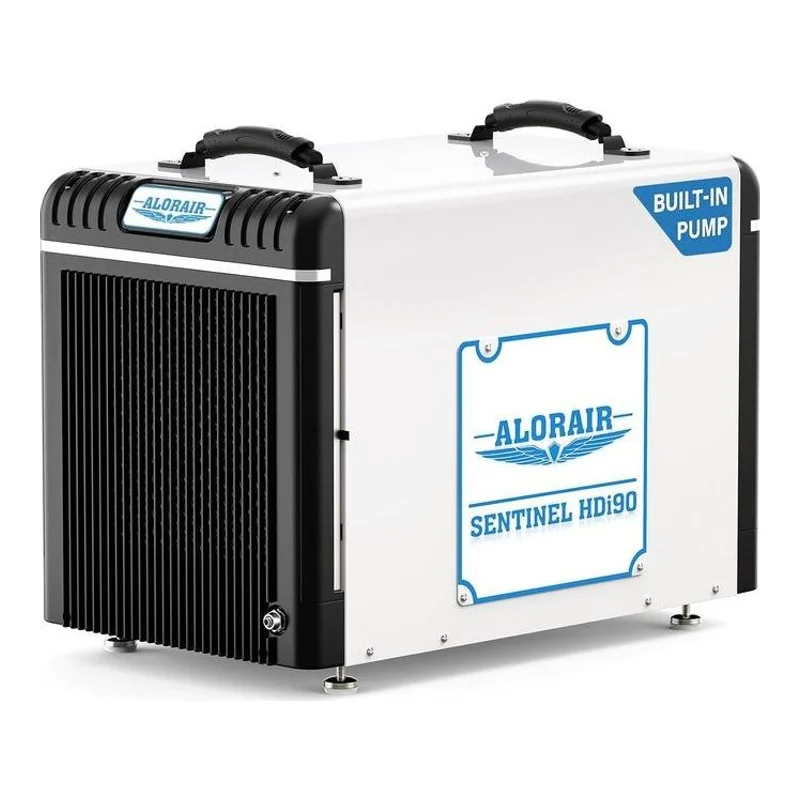
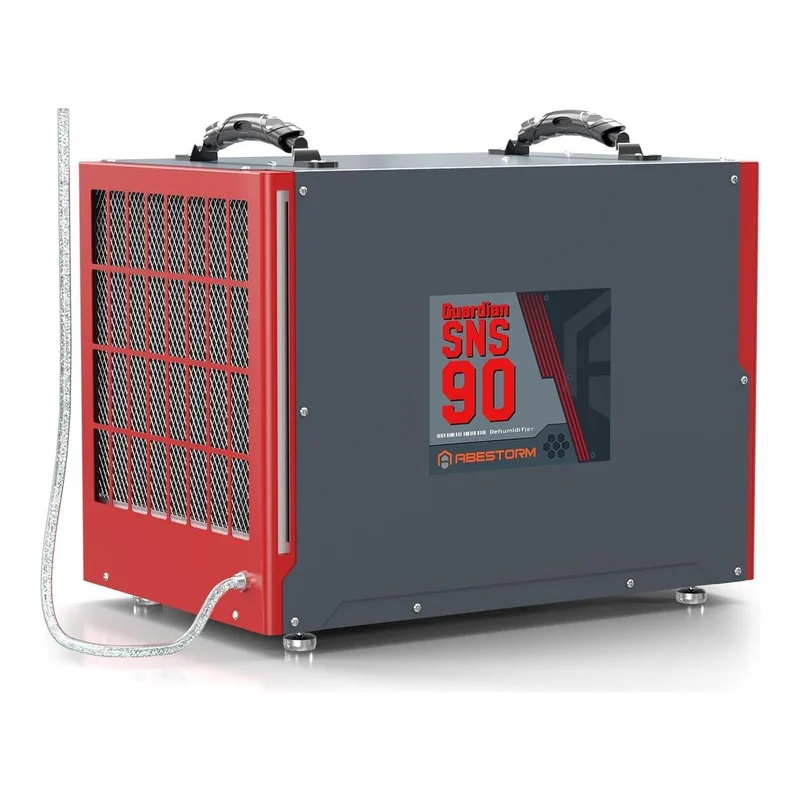
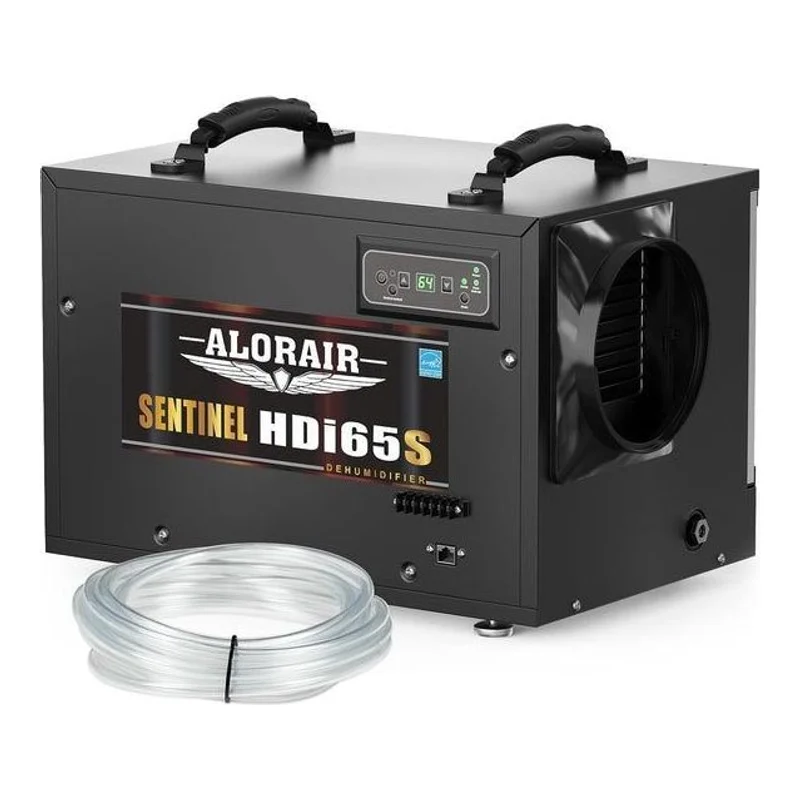
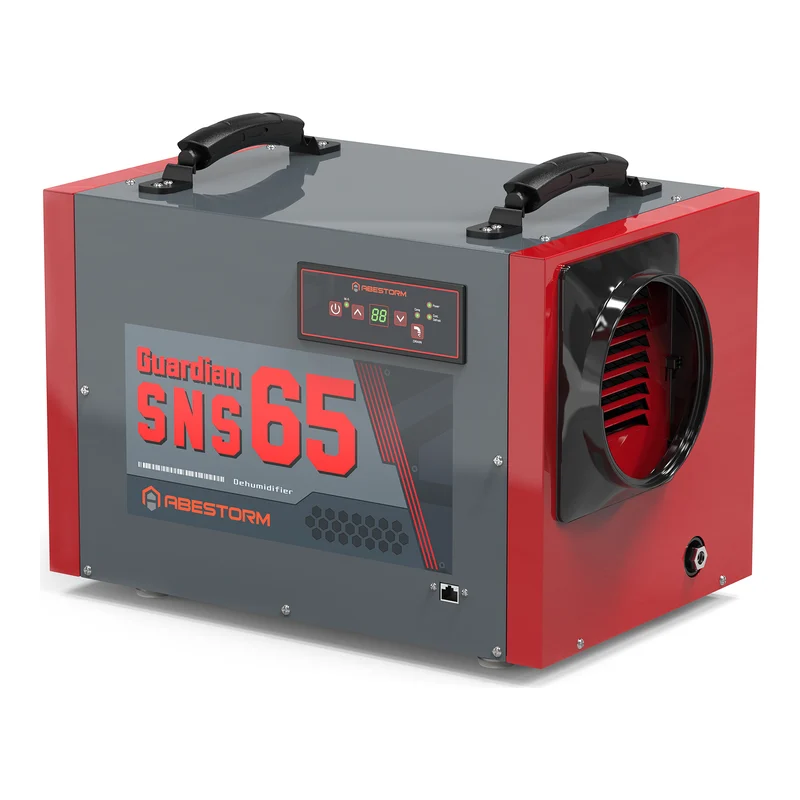
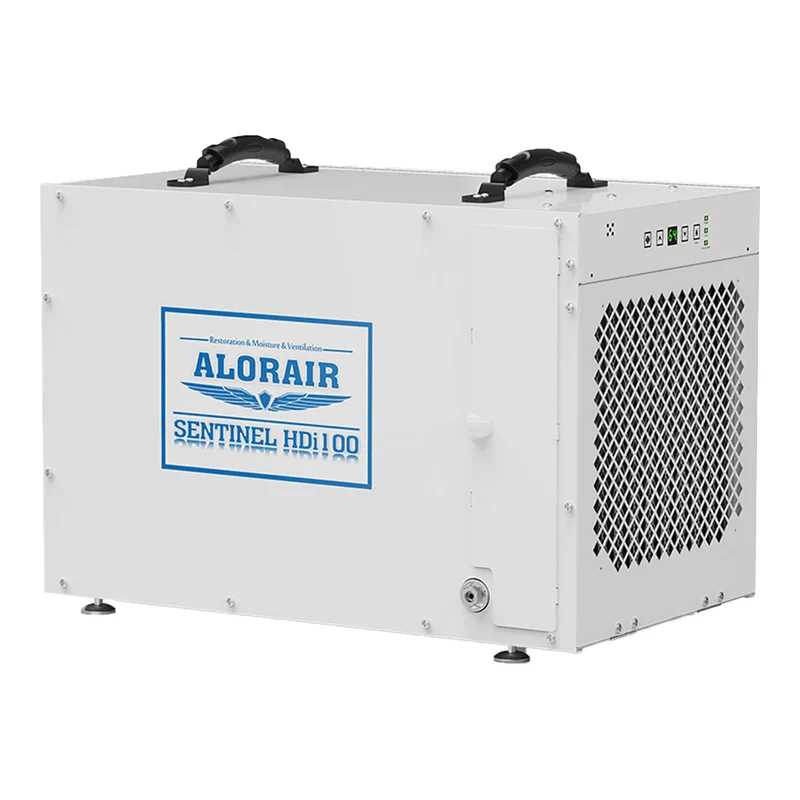
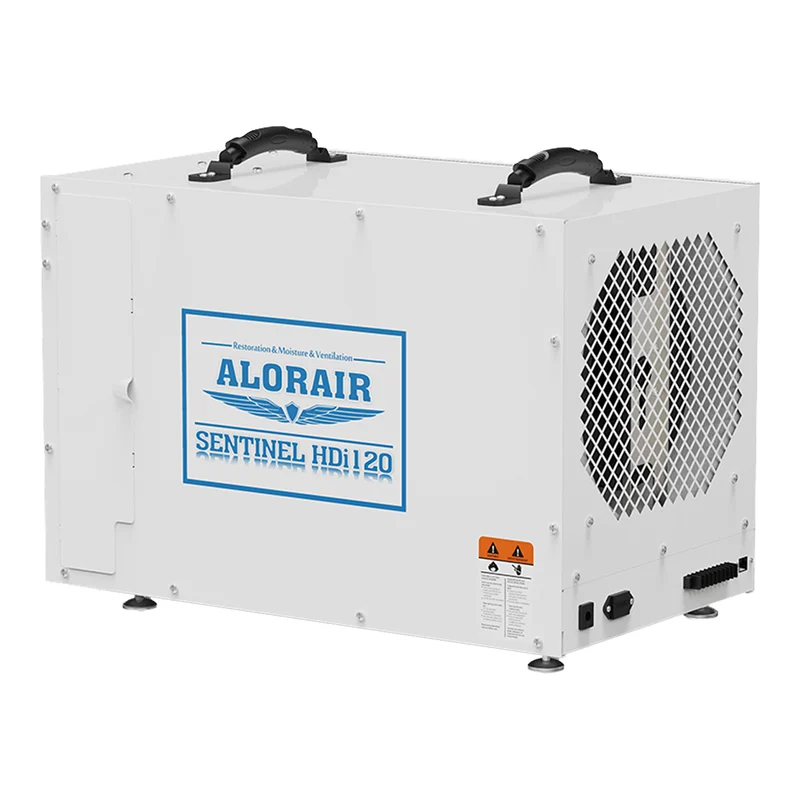
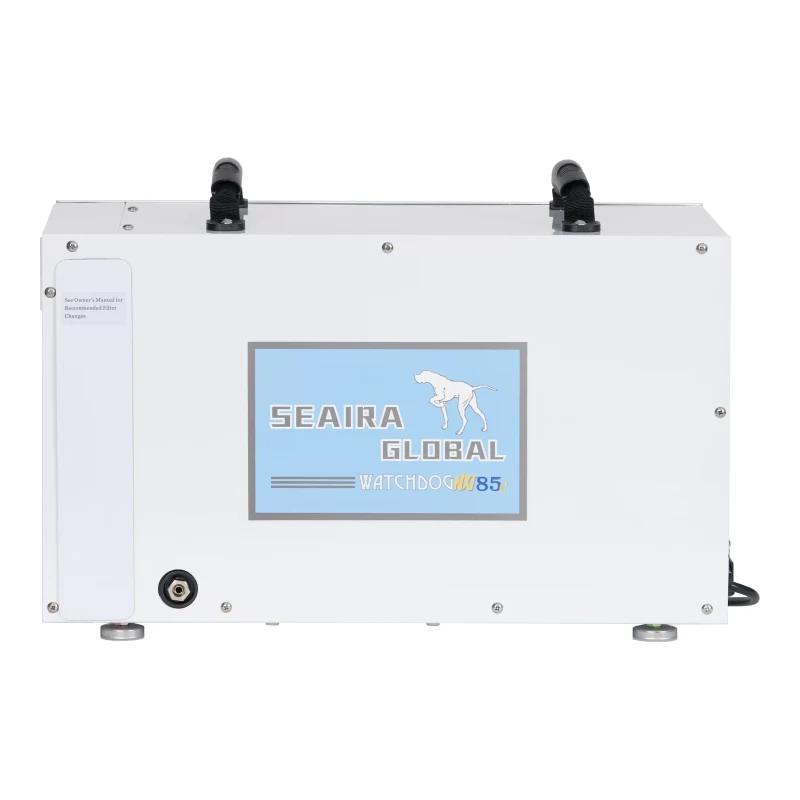
Specs verified 2026-09-29. Seven of the fifteen crawl space units we cover have a built-in condensate pump; they are compared below, followed by the gravity-drain units that accept an add-on pump.
A crawl space dehumidifier pulls anywhere from a few pints to well over ten gallons of water out of the air every day, and all of it has to go somewhere. Most units drain by gravity through a hose, which works only when the unit sits higher than the point where the water leaves the crawl space. When it does not, you need a condensate pump, either built into the dehumidifier or added beside it. This page covers when a pump is required, the difference between the options, and the seven built-in-pump units with verified specs.
When you need a condensate pump
Walk the drain path before you buy. A pump is required in any of these situations:
- No gravity exit. There is no floor drain, sump pit or grade-level exit lower than the dehumidifier's drain port. A crawl space that sits below the surrounding yard is the classic case: the only way out is up through the rim joist or foundation wall.
- The unit sits below the exit point. Many crawl spaces have a low spot in the middle and a higher exit at the perimeter. Hanging the unit from the joists can sometimes restore a downhill run, but in a crawl space with 24 to 36 inches of clearance there is rarely enough height to gain.
- Long, flat runs. Gravity drain needs continuous fall along the whole hose, typically a quarter inch per foot or more. A 40 ft hose across a flat vapor barrier will hold standing water, grow slime and back up into the unit.
- Draining into a sink, standpipe or condensate line above the unit. Tying into an existing HVAC condensate line or utility sink almost always means lifting the water several feet.
Published pump lifts among the units below are 19.6 ft for the AlorAir HDi65S, 14.7 ft for the AlorAir HDi90 and Abestorm SNS90, and 15 ft for the Seaira NXT85C (retailer figure). Those are vertical ratings; every horizontal foot and elbow costs some lift, so size against your real rise with a margin.
Built-in pump vs. external pump vs. gravity drain
Gravity drain is the most reliable option because there is nothing to fail. If you can get a continuous downhill run to a drain, sump or daylight exit, choose a gravity unit and keep the hose short. Santa Fe's Oasis105 goes a step further with a positive-pressure drain that needs no P-trap.
Built-in pump units keep the pump inside the cabinet, wired to the unit's own controls, with a reservoir and float that shut the dehumidifier off if the pump fails. Installation is one power cord and one small-diameter drain line, which matters in a crawl space where every extra outlet and component is a hassle. The downside is that if the pump fails outside warranty you are servicing the dehumidifier, not swapping a $60 part.
External condensate pumps are the standard HVAC-style units that sit next to a gravity-drain dehumidifier. They cost less than the price difference between most gravity and pump versions (the AlorAir HDi65S is $106 more than the HD55S at Sylvane; the Abestorm SNS90 is about $13 more than the SN90), they are easy to replace, and they let you buy a Santa Fe or AprilAire unit that has no pump version. Santa Fe sells its own pump kit for the Compact70 and Oasis105. You will need a second outlet and should wire the pump's safety switch to the dehumidifier so a stuck float does not flood the vapor barrier.
Pump maintenance
Condensate is clean water, but it picks up dust and grows biofilm in the reservoir and line. Twice a year, pour a cup of white vinegar diluted in water into the reservoir and let the pump clear it, check that the discharge end is above the water level at the other end (a submerged outlet can siphon back), and look for kinks or crushed sections of line. Confirm the float shuts the unit down by lifting it by hand. A pump problem in a crawl space usually shows up as a puddle under the unit, so glance under it whenever you check the filter.